Southampton City Council made a ten year, £25 million commitment to transform the city into an integrated, thriving and mobile community where safe cycling is a daily norm. Southampton aims to achieve an annual 10% increase in the number of cycling journeys made each day.
Southampton Third Avenue - project context
The Challenge
The Challenge
!Southampton City Council made a ten year, £25 million commitment to transform the city into an integrated, thriving and mobile community where safe cycling is a daily norm
!Southampton aims to achieve an annual 10% increase in the number of cycling journeys made each day
Objectives
Project Objectives
Create a protected cycle route allowing safe travel between Totton and Southampton in less than 30 minutes
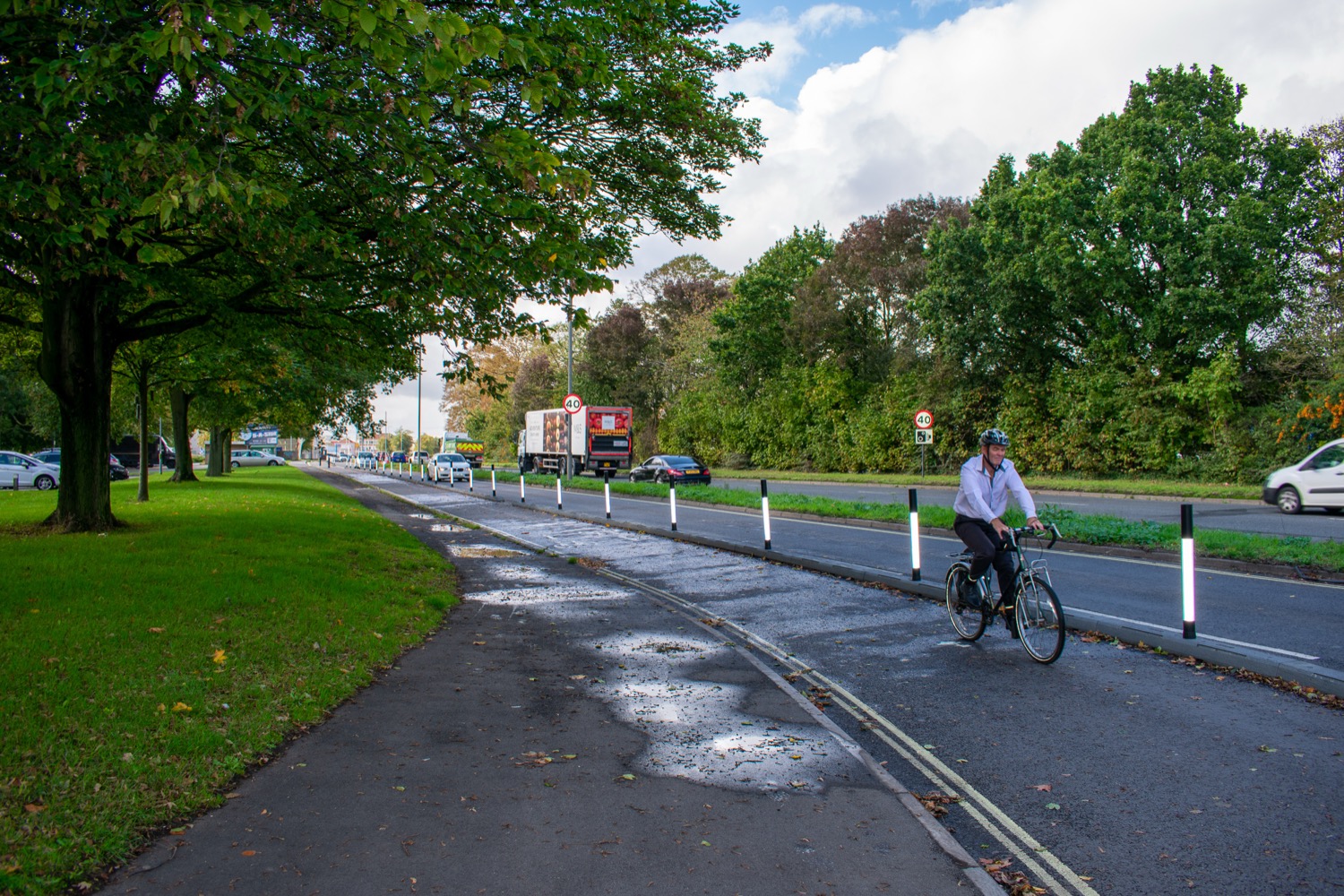
Prevent vehicles entering the cycle lane by introducing robust physical segregation between the cycle lane and the road
Ensure the segregation between the cycleway and the road is clearly visible, especially in low-light conditions
Ensure pedestrians can safely cross the cycleway and road from the pavement
Our Solution
The Solution
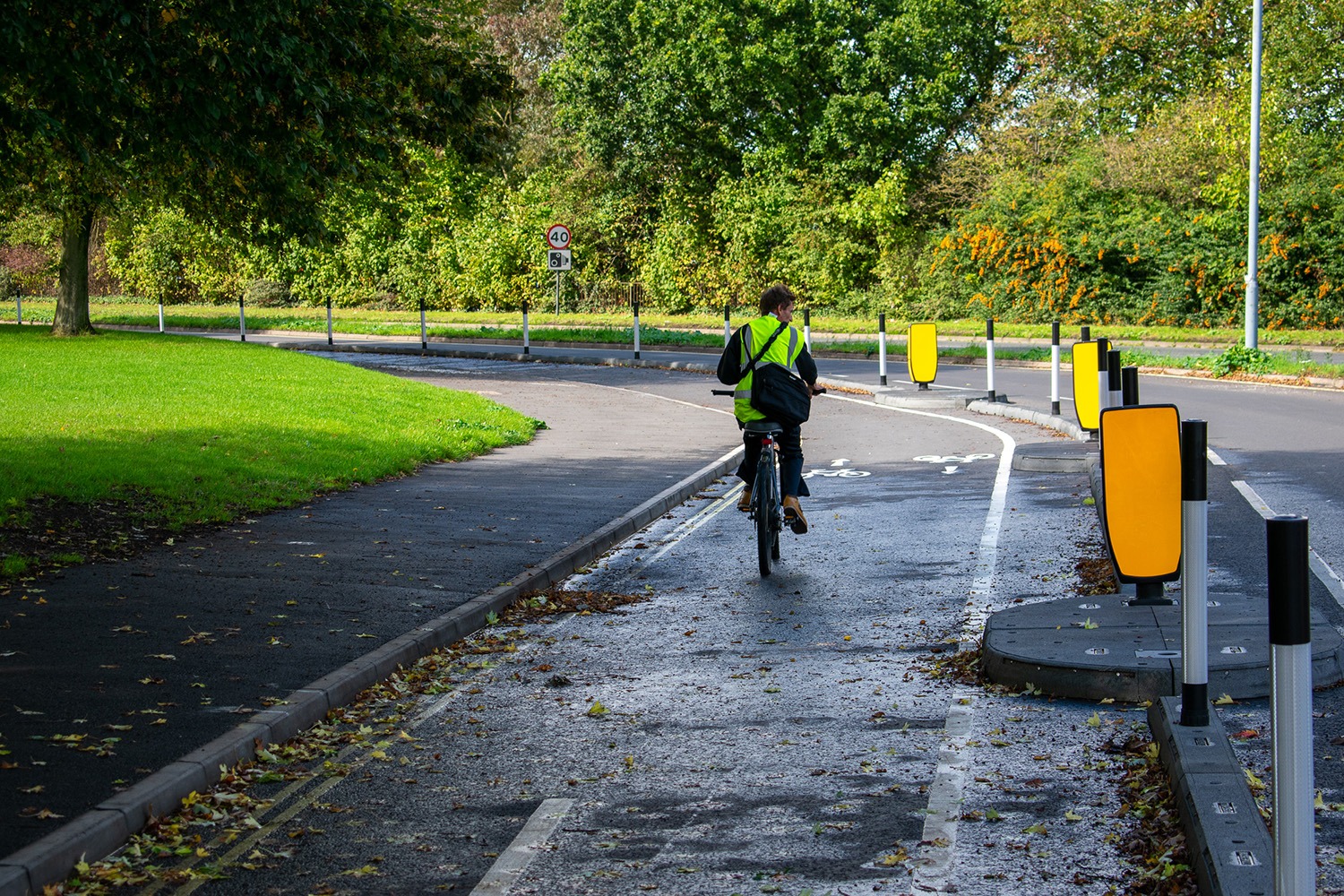
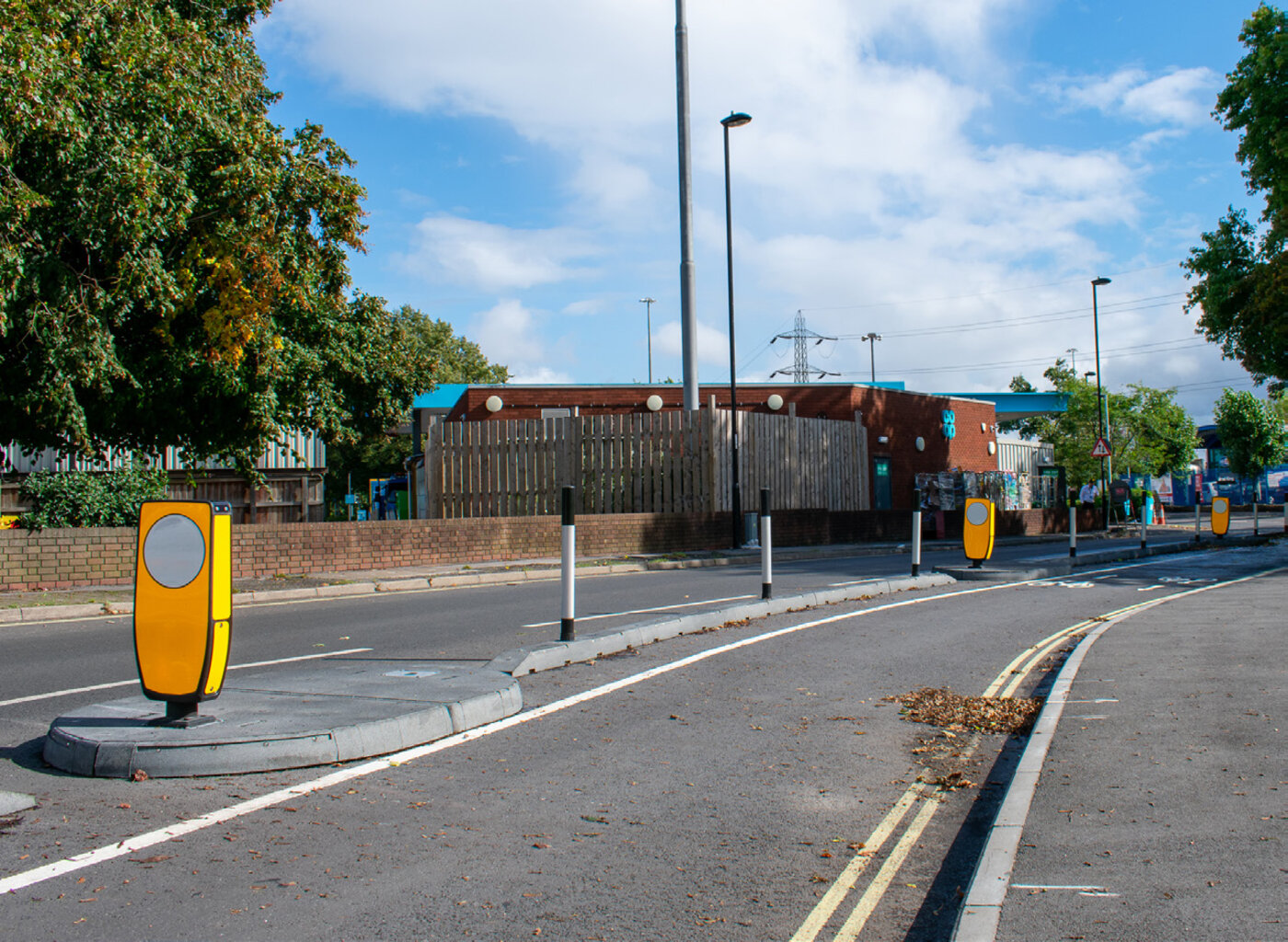
Continuous cycle lane segregation to be installed along the route using our surface-mounted Narrow Cycle Lane Defenders
The Narrow Cycle Lane Defender (130mm) is standard kerb height and can incorporate a range of high-visibility bollards
A variety of one and two piece surface-mounted Traffic Islands were installed to create crossing points along the route, maintaining segregation while allowing pedestrians to cross safely
Install reflective bollards and retroreflective studs on all products along the route to increase visibility
Southampton Third Avenue - solution installed
Results & Impact
Results
NCLDPrimary Product
IslandsSupport Product
ActiveTravel Corridor
Cyclists can safely travel between Totton and Southampton in less than 30 minutes
Incursions by vehicles into the cycle lane have been eliminated
Cyclists report feeling safer and more confident cycling in the segregated cycle lane
Pedestrians are able to safely cross the cycleway and road using the traffic islands
Southampton Third Avenue - completed installation
Planning a Protected Cycle Corridor?
This case study demonstrates how NCLD and traffic islands work together on longer active travel routes.